Assessment covers the side of obstruction, trauma, previous surgery and allergy. Septoplasty addresses the septum, while valve reconstruction targets support and airflow; procedures may be combined. Allergic swelling can also require medication. Discuss appearance changes, possible cartilage grafts and the possibility of incomplete breathing improvement. Success is assessed through symptoms and examination, not photographs alone.
Functional rhinoplasty aims to improve airflow as well as addressing nasal structure. The septum, nasal valves and turbinates should be assessed together; not every breathing problem comes from the septum.
The plan depends on the extent of surgery, skin, breathing and previous procedures. Consultation covers expectations, alternatives, bleeding, infection, scarring and possible further surgery. Recovery instructions must reflect your surgeon's individual plan.

Internal and external examination of the nose, listening to your desires.
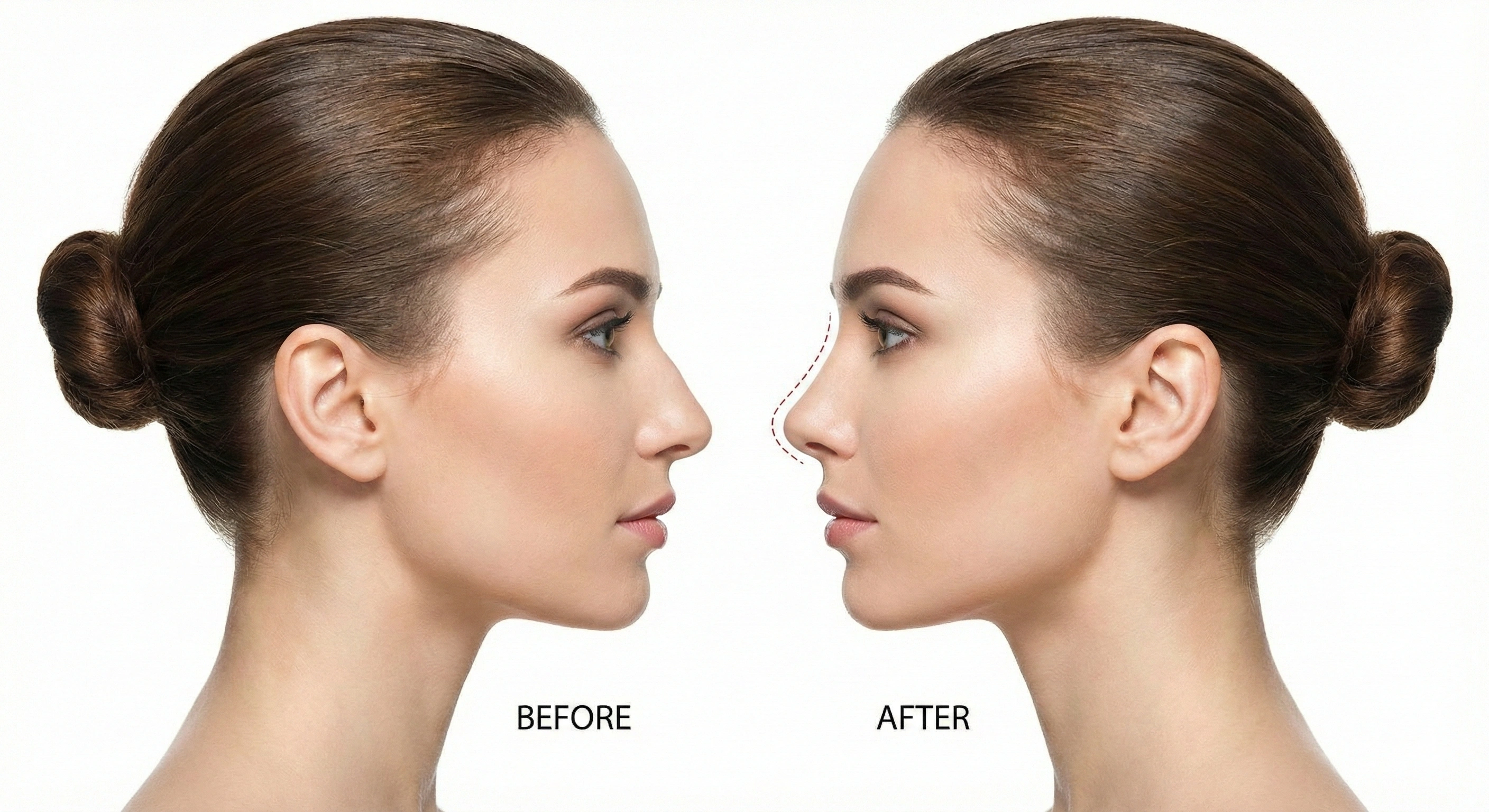
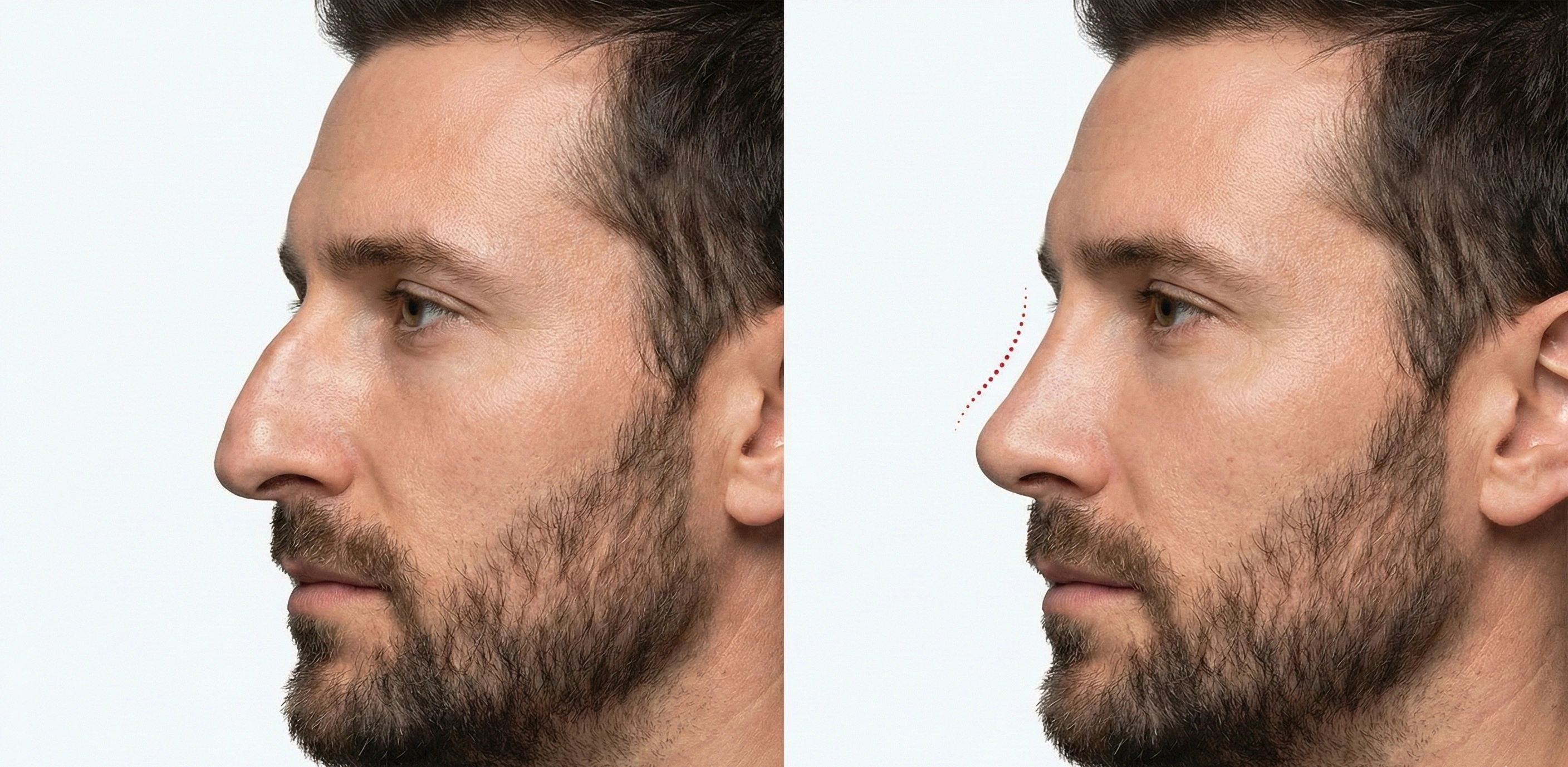
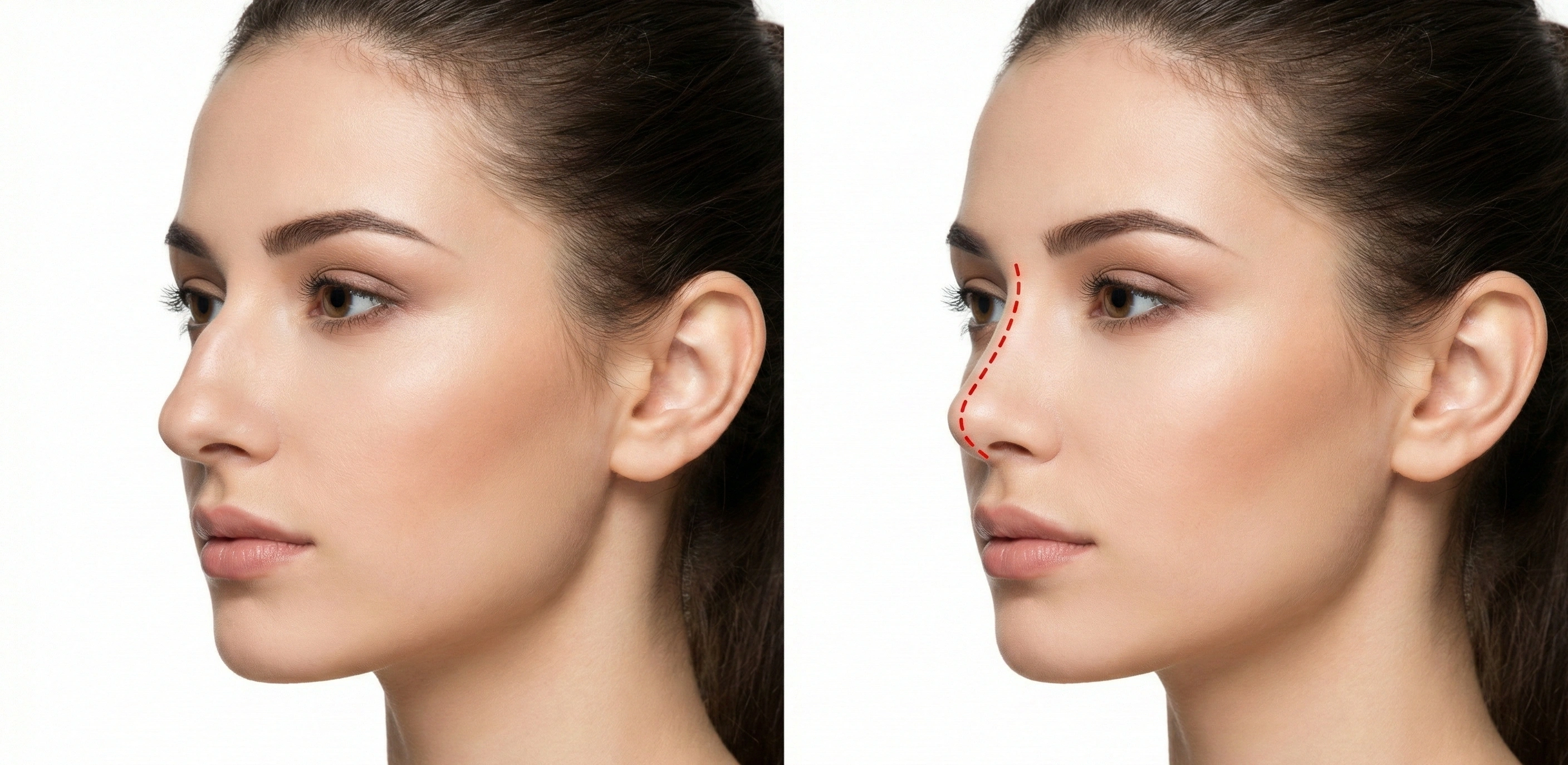
Determining the ideal shape based on professional analysis tailored to your facial features and anatomy.
Precise and delicate intervention preserving the nose's support points using Structural Rhinoplasty Technique.
Tampon-free and comfortable recovery period. Return to normal life in 7-10 days.
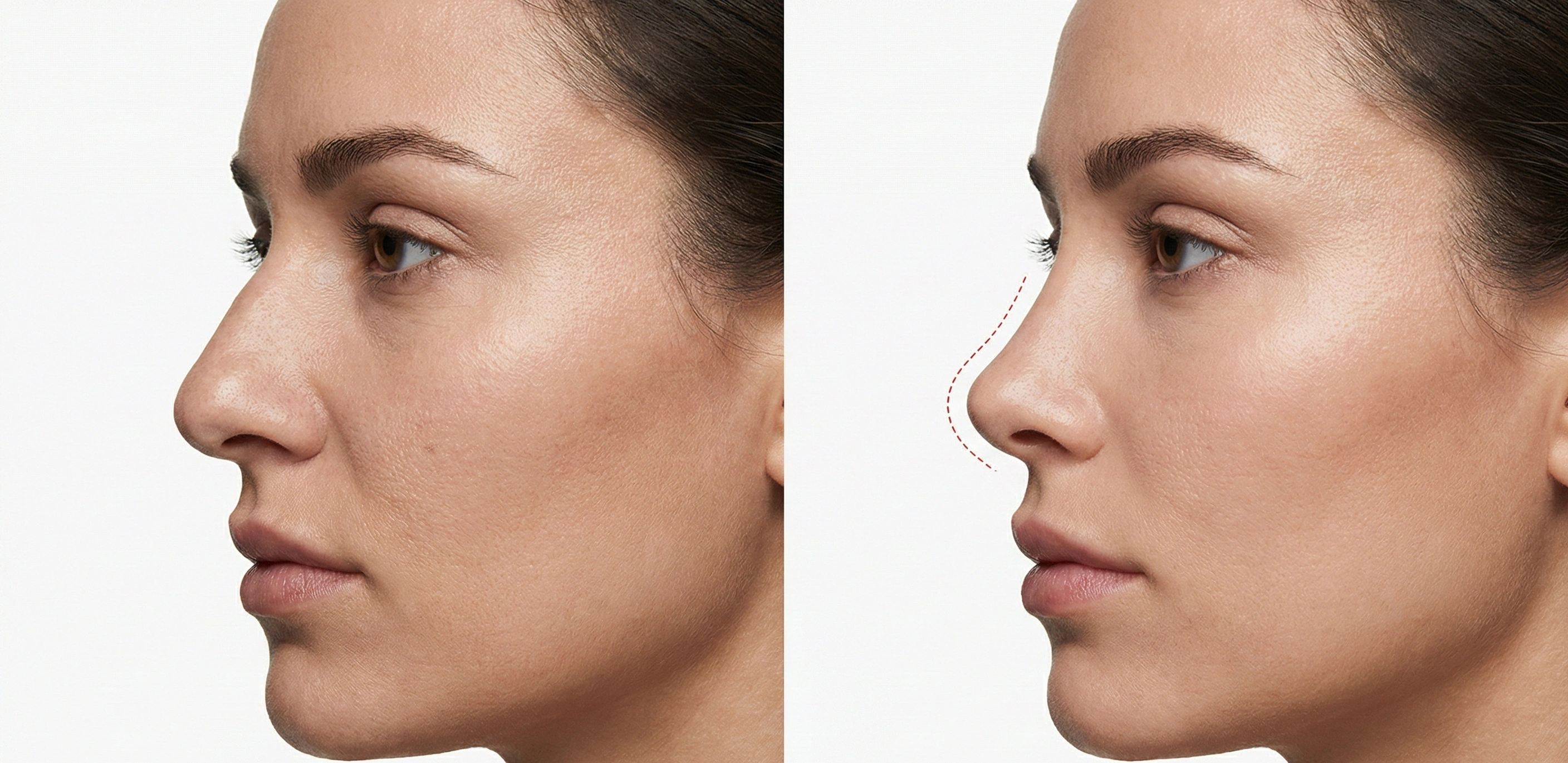
Not an artificial "operated nose," but a natural profile that suits your face.
Simultaneous resolution of functional problems (deviated septum, turbinates).
Images are for visualization purposes to demonstrate the aesthetic goal.
Book a Consultation with Dr. Aysel Hasanova
Contact via WhatsApp