AZ | EN | RU | TR

Functional ENT Surgery

Before consultation

About the treatment plan

PlanExamination and discussion of alternatives
DurationDepends on the extent of the procedure
RisksIndividual risk assessment
Recovery and dischargeDepends on healing, age and other illnesses
ClinicLOR Hospital, Baku

Breathe Easily, Live Better

Recovery and discharge depend on the operation, age, apnoea, other illnesses and observation findings.

Key Procedure Highlights & AI Summary

Rhinosinusitis is inflammation of the lining of the nose and sinuses. Acute episodes are often viral; compatible symptoms lasting 12 weeks or longer prompt assessment for chronic rhinosinusitis.

Diagnosis uses symptom duration and examination; endoscopy and CT are selected when needed. Saline, appropriate nasal medicines and sometimes surgery may form an individual plan. Not every sinus complaint needs antibiotics.
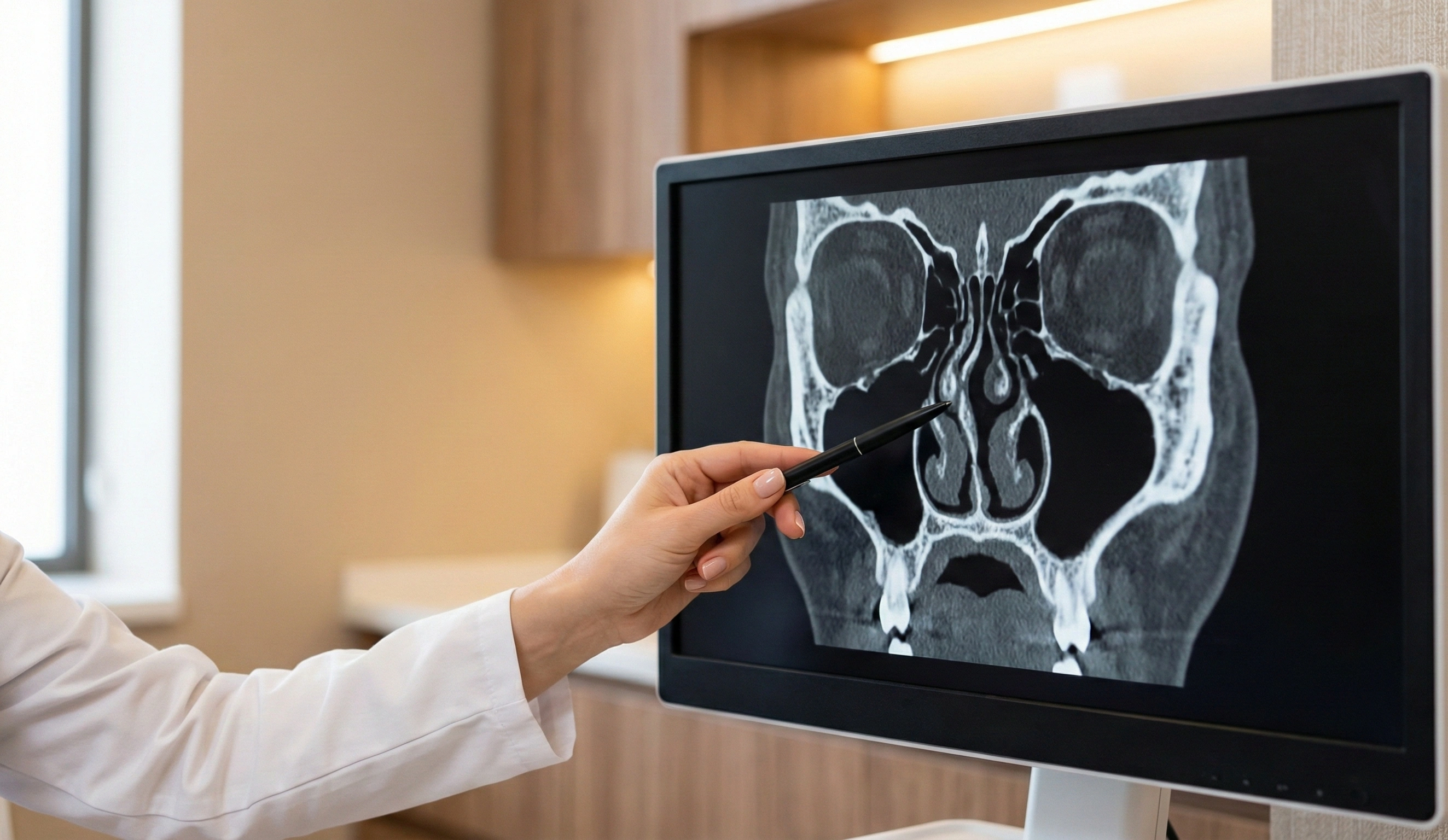
Functional ENT Surgery

Path to Healthy Breathing

01

Endoscopic Exam

High-definition endoscopic camera examination of the internal nasal cavity and sinuses.

02

CT Diagnostics

3D anatomical mapping of paranasal sinuses using computed tomography.

03

Micro-Surgery

Delicate tissue-preserving execution of FESS and Septoplasty with internal incisions.

04

Individual Recovery Plan

Free breathing from day one thanks to packless internal breathing tube splints.

Modern Standards

Endoscopic Precision (FESS)

Thorough cleaning of inflammation at the root inside the sinuses without external incisions.

Packing-Free Comfort

The procedure is selected for individual indications. Bleeding, pain, infection and possible further treatment are discussed beforehand.

Radiofrequency (RF) Ablation

The procedure is selected for individual indications. Bleeding, pain, infection and possible further treatment are discussed beforehand.

Frequently Asked Questions

Functional rhinoplasty: septum and nasal valve problems
Functional rhinoplasty aims to improve airflow as well as addressing nasal structure. The septum, nasal valves and turbinates should be assessed together; not every breathing problem comes from the septum. Assessment covers the side of obstruction, trauma, previous surgery and allergy. Septoplasty addresses the septum, while valve reconstruction targets support and airflow; procedures may be combined. Allergic swelling can also require medication. Discuss appearance changes, possible cartilage grafts and the possibility of incomplete breathing improvement. Success is assessed through symptoms and examination, not photographs alone.
When Does Turbinate Hypertrophy Require Surgery?
Turbinates are normal nasal structures that condition inhaled air. If enlargement causes obstruction, assess the cause and suitable medication first; surgery is not inevitable. Persistent significant blockage despite treating allergy or other inflammation may lead to discussion of tissue-preserving reduction. Radiofrequency and other techniques are selected according to anatomy; none guarantees no bleeding. Risks include bleeding, crusting, dryness, adhesions and recurrence. Avoiding excessive tissue removal is important. The septum and nasal valves may also affect airflow.
What is Sinus Surgery (FESS) and How is it Done?
FESS uses an endoscope through the nose to improve sinus drainage pathways. In chronic disease the decision uses symptoms, objective findings and previous appropriate treatment; a universal 3-month antibiotic prerequisite is inappropriate. Endoscopy and planning CT are reviewed beforehand. The aim is to address diseased tissue and obstruction and facilitate subsequent topical treatment; it does not always remove the inflammatory tendency. Discuss bleeding, adhesions, recurrence and rare eye or intracranial complications. Rinsing, selected medication and follow-up are part of care. Return to work and exercise is individualised.
Why Do Breathing Problems Occur After Rhinoplasty?
Early swelling, crusting and internal supports can restrict breathing after rhinoplasty. Persistent obstruction needs examination and does not automatically mean surgical error. Allergy, adhesions, septal and valve problems need distinction. Contact the surgeon without waiting months if symptoms worsen or concern you. Cleaning, medication or a selected minor procedure may suffice; not every case needs rib-cartilage revision. Avoid independent strong decongestant use or massage. Fever, increasing pain or severe breathing difficulty warrants early help.
How to Use Nasal Sprays Correctly?
Correct spray direction can improve delivery and reduce irritation. Aim away from the septum towards the outer nasal wall and avoid sniffing forcefully. Wash your hands, prepare the bottle as instructed, gently clear your nose and tilt your head slightly forward. Breathe in gently while using the prescribed number of sprays. Clean the nozzle as directed and do not share it. Steroid sprays may not work immediately; vasoconstrictor decongestants have a short-use limit. Check dose, age restrictions and what to do if bleeding occurs with the instructions and clinician.
How to Distinguish a Sinus Headache from a Migraine?
Facial pressure and headache are not always sinusitis; migraine can also cause nasal blockage and watering eyes. Pain location and discharge colour alone do not establish a diagnosis. Assess episode duration, light or sound sensitivity, nausea, discharge and smell changes together. Without objective sinus inflammation, repeated antibiotics or sinus surgery may not resolve pain. Suspected migraine may need neurological assessment. A sudden worst-ever headache, neck stiffness, vision changes or speech disturbance requires emergency care.

Start Breathing Freely

Book a Consultation with Dr. Aysel Hasanova

Contact via WhatsApp
Chat on WhatsApp Call Clinic